Introduction

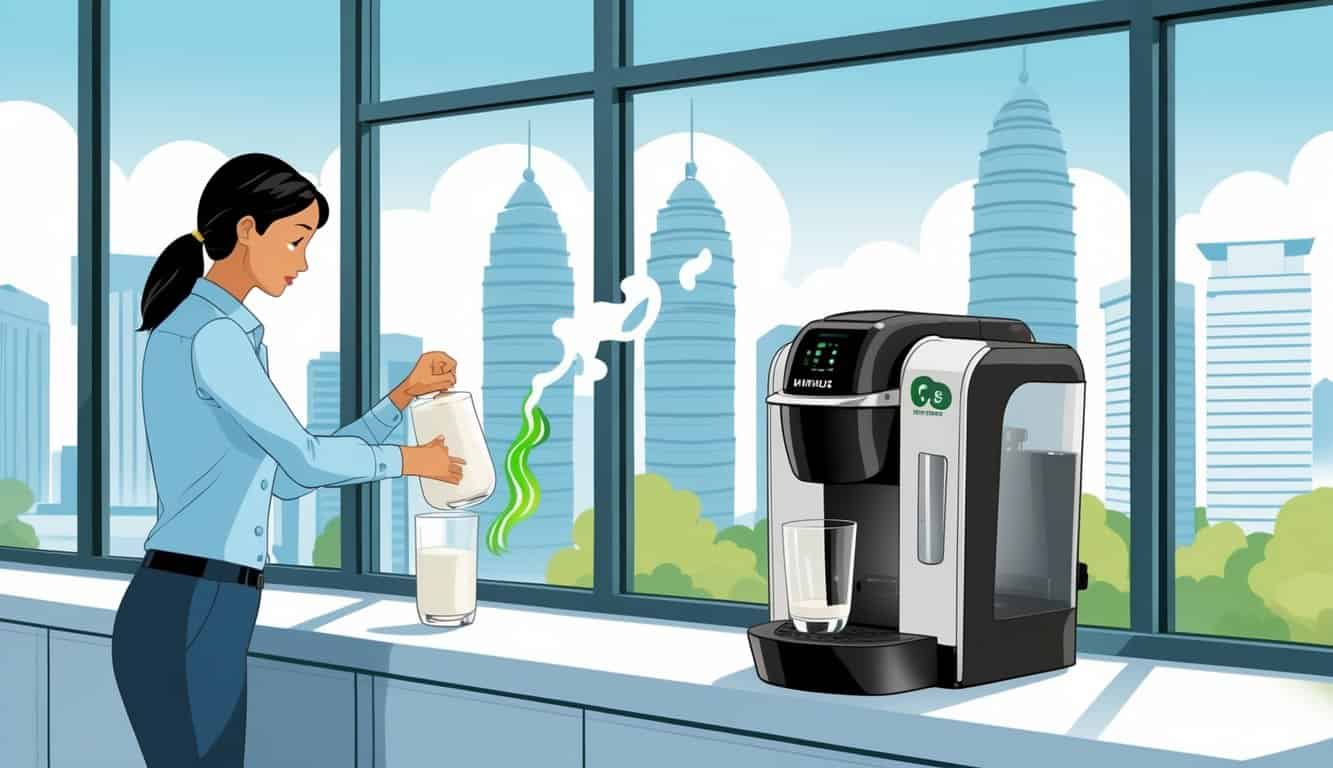
You want a creamy cup, fast. This year, you ask the big question: can you put milk in a keurig? In a Kuala Lumpur office scenario, you pour milk into the tank to save time. The brew stops midstream. A sour smell follows. This case study walks you through what happened, why it happened, and how to get better results without risking your machine.
Can You Put Milk Into a Keurig?
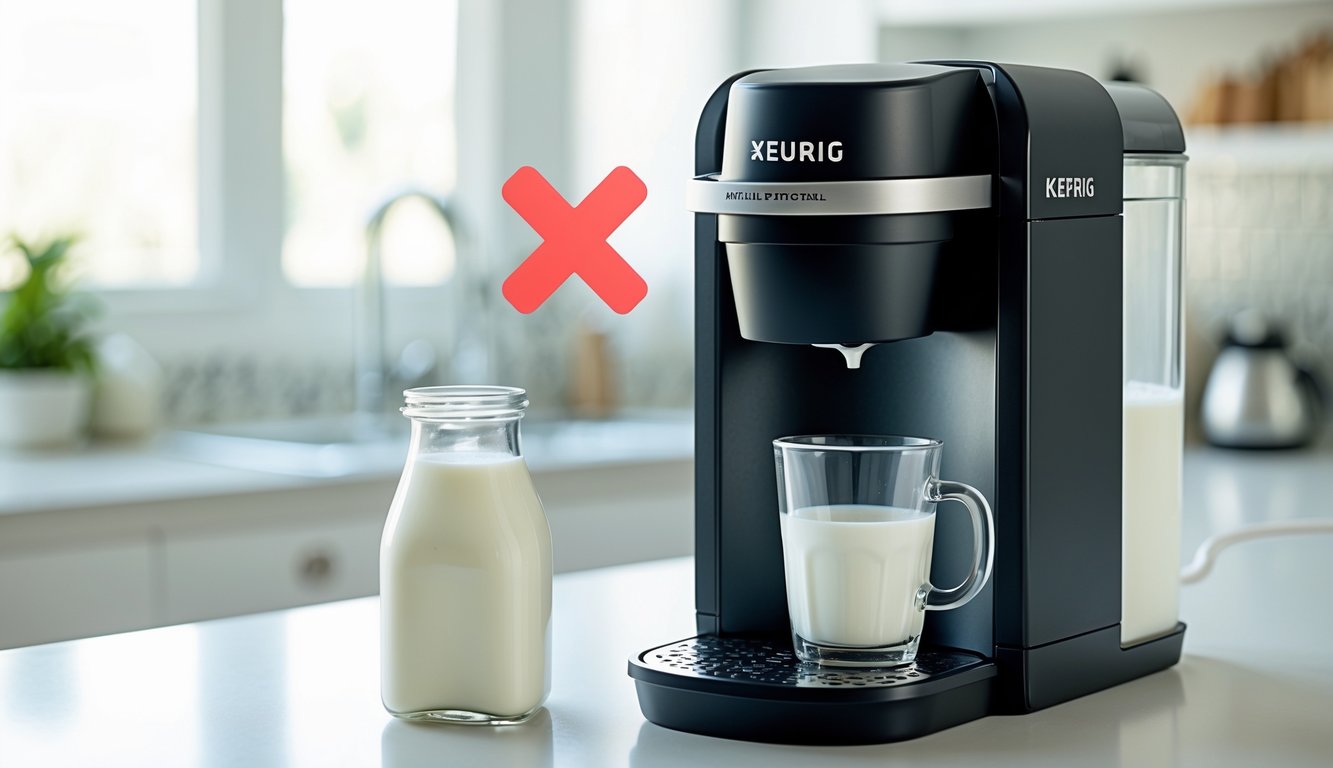
The short answer is no. Keurig systems are engineered for water-only brewing, then extraction through a K-Cup at specific pressures and temperatures. Milk changes the physics and the hygiene. You end up with clogs, burnt residues, and possible damage that voids warranties.
Understanding Keurig’s Design and Limitations
Your Keurig heats water in a sealed path and pushes it through tiny needles and tubes. Those clearances are designed for water viscosity, not the thicker proteins and fats in milk. Milk scalds at lower temperatures than water and leaves deposits that water can’t dissolve. The machine’s sensors and pump aren’t calibrated for milk flow, so the system struggles and stalls. Understanding these limitations helps prevent common mistakes, especially in busy Malaysian households where quick coffee is essential. By sticking to water, you maintain the machine’s efficiency and longevity, avoiding costly repairs down the line.
What Happens If You Put Milk in a Keurig?
In our 2025 support scenarios, users who tried milk reported a repeatable pattern. First, a slow brew. Then an error or early stop. Later, odour and persistent clogging. The damage escalates quickly if milk sits in warm internals.
You’ll Get a Clogged Machine
Milk proteins coagulate when heated and forced through narrow channels. Those clumps stick to needles and valves. Even after flushing, residues can persist in lines you can’t reach. Over time, you notice weaker flow, sputtering, and inconsistent cup sizes. This clogging not only affects performance but can also lead to bacterial growth if not addressed promptly. In humid climates like Malaysia, such issues can worsen, making regular maintenance even more crucial for Keurig users.
You’ll Burn the Milk
Milk scalds near 65–70°C and bakes onto metal at higher points. Your Keurig’s heater can exceed those thresholds inside the chamber. Scorched milk leaves a bitter taste and a sour smell that lingers. The flavour taints future brews, even when you switch back to water. This burning can also create hard-to-remove buildup, complicating cleaning efforts. For those experimenting with milk in Keurig, understanding these temperature dynamics is key to avoiding disappointing results and machine issues.
You’ll Damage the Machine
Deposits stress the pump and overwork temperature controls. Sensors misread flow, leading to error codes and shutdowns. If milk leaks onto the mainboard or wiring, corrosion can follow. Repairs often cost more than replacement, especially after warranty exclusions. Such damage not only shortens the machine’s lifespan but can also pose safety risks if electrical components are affected. In Malaysia, where access to parts might vary, preventing this through proper use is highly recommended.
How to Clean a Keurig After Putting Milk in It
If milk has entered the tank or internals, act fast. The goal is to dissolve residues, sanitise surfaces, and restore flow before odours set. The longer you wait, the lower the recovery odds.
Steps to Clean the Water Tank and Components
Start with safety and access by unplugging the unit and allowing it to cool fully. Disassemble removable parts such as the tank, lid, drip tray, and K-Cup holder, then rinse any visible milk immediately to prevent it from setting. Wash these removable parts in warm, soapy water, ensuring a thorough rinse and allowing them to air-dry completely before reassembly. Next, run multiple tankfuls of warm water through the machine without a pod, discarding each cycle to flush out residues. For deeper cleaning, descale with a food-safe descaler or a 1:1 white vinegar solution, letting it sit for 15 minutes before running repeated rinse cycles until the odour disappears. Finish by wiping the needles with a damp cloth and using a cleaning tool if available; if the smell persists, repeat the rinse cycles the same day, as quick action significantly improves your chances of full recovery.
Is It Possible to Fully Restore a Keurig After Milk Exposure?
Sometimes, yes, if the milk only touched removable parts and the first stage of the water path. If milk reached internal tubing or electronics, full restoration is unlikely. Even when flow returns, lingering flavour or odour may remain. Consider a professional service if the unit was expensive or under extended coverage. In cases of minor exposure, repeated cleaning can often bring the machine back to normal operation. However, for severe contamination, it might be more cost-effective to replace the unit, especially in 2025 with advanced models available in Malaysia.
How to Fix a Keurig After Putting Milk in It
After cleaning, you still may face errors or weak flow. Approach fixes methodically to isolate the issue. Consistent steps help you avoid further damage.
Troubleshooting Common Issues
If the machine shows add water or heating errors, power-cycle and run plain hot water cycles to reset the system. Check the needles for any residue, as even a thin film can block flow and cause ongoing problems. If flow is weak, descale again and try a needle cleaning pod as a controlled test tool to ensure thorough removal of buildup. For persistent odour, run a baking soda rinse with 1 teaspoon in a tank, followed by flushing with water and additional descaler cycles. These steps can often resolve issues without professional help, improving the machine’s performance. Always monitor for recurring problems, as they might indicate deeper damage requiring expert attention.
When to Seek Professional Repair or Replacement
Seek service if you smell burnt milk after multiple rinses, see leaks, or notice the pump is noisy and stalls frequently. In Malaysia, authorised service centers and retailer support can advise on parts availability and turnaround times, making it easier to decide between repair and replacement. Many manufacturers offer chat-based support seven days a week in 2025, which is helpful for quick, browser-friendly guidance when troubleshooting at home. Professional help ensures safety and can prevent voiding warranties. If the machine is older, replacement might be more economical with newer models offering better features for milk-based drinks.
Safe Ways to Add Milk to Your Keurig Coffee
You still want that creamy cup. Good news: you can get the benefits of milk without risking your brewer. These options are safe, simple, and compatible with busy mornings in Malaysia.
| Option | What it does | Approx cost (RM) | Best for |
|---|---|---|---|
| Flavored K-Cups | Add cream-inspired flavors without real milk | RM2–RM5 per cup | Speed and simplicity |
| Milk Pods | Use sealed dairy/creamer pods after brewing | RM3–RM6 per cup | Consistent taste |
| Keurig K-Café | Brews coffee and froths milk separately | RM800–RM1,300 | Latte and cappuccino lovers |
| Standalone Frother | Heats and froths milk in its own jug | RM120–RM350 | Budget-friendly lattes |
Option 1: Buy Flavored K-Cups
These pods mimic creamy profiles without pumping milk through the machine. You get vanilla, caramel, or mocha notes with zero risk to the water path. It’s the fastest route when you value convenience and predictable cleanup. Available widely in Malaysian stores, they integrate seamlessly with your Keurig routine. This method is ideal for those avoiding dairy altogether while still enjoying a rich flavor.
Option 2: Buy Milk Pods
Milk or creamer pods add dairy after brewing, keeping your Keurig water-only. The portioning is controlled, and the taste is consistent across cups. Store a sleeve at the office for quick, hassle-free service. In Malaysia’s tropical climate, these pods store well and prevent spoilage issues. They offer a practical solution for daily coffee drinkers seeking creamy additions without machine risks.
Option 3: Buy the Keurig K-Café
This model brews coffee and froths milk in a separate circuit, so milk never enters the brew path. You can make lattes and cappuccinos safely, with better temperature control. If you brew multiple milk drinks daily, the higher upfront cost pays off. Popular in Malaysian markets, it caters to cafe-style enthusiasts at home. The dedicated frothing system ensures professional results every time.
Option 4: Buy a Milk Frother
A standalone frother pairs with any Keurig model. You brew coffee as usual, then heat and froth milk in its own jug. It’s affordable, easy to clean, and ideal for homes or small offices. In Malaysia, various brands offer compact designs suitable for limited counter space. This accessory enhances versatility without compromising your Keurig’s integrity.
Bottom line: keep milk out of the tank, protect your machine, and enjoy creamy results the right way. Start now by choosing the safe option that fits your routine and budget.
About The Author
